
Prof. Dr. Paul Zalewski
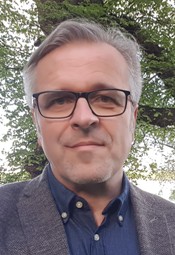
zalewski
Faculty of Social and Cultural Sciences
Professor of Monument StudiesProfessorship Holder
Postal address:
Große Scharrnstr. 59
D 15230 Frankfurt (Oder)
By appointment. Registration at zalewski@europa-uni.de
- History of architecture and urban planning (modern times, modernism)
- Cultural heritage studies
- Conservation of historical buildings
Monographs and editorships
- P. Zalewski, M. von Engelberg (eds.), Leonhard Christoph Sturm. Theory and practice of architecture in the early 18th century. Petersberg, 2024.
- Paul Zalewski, Magdalena Abraham-Diefenbach (eds.), Marginalized Cultural Heritage and Perspectives for Regional Development. Schlösser, Gutshäuser und jüdische Friedhöfe im deutsch-polnischen Grenzland. Frankfurt (Oder) - Słubice, 2022. (PDF)
- P. Zalewski, K. Stefanski (eds.), The post-industrial city and its heritage in the 21st century. Protection-preservation-revitalization. Miasto poindustrialne i jego dziedzictwo w XXI wieku. Ochrona-konserwacja-rewitalizacja. (In: "The Common Cultural Heritage" series of publications of the Institute of Art at the Polish Academy of Sciences, ed. by M. Omilanowska, vol. 13), Warszawa 2021.
- P. Zalewski, The favor of the hour. Architecture of the Weimar Republic in Frankfurt (Oder) - Wielka Szansa. Architektura we Frankfurcie nad Odrą w czasach Republiki Weimarskiej. Berlin, 2018.
- P. Zalewski, J. Drejer (eds.), Cultural Heritage and Appropriation Processes in German-Polish Contact Areas. Motivationen, Realitäten, Träume. / Dziedzictwo kulturowe i procesy dziedziczenia w rejonach przenikania się kultury polskiej i niemieckiej. Motywacje, realia, wizje. (In: "The Common Cultural Heritage" series of publications of the Institute of Art at the Polish Academy of Sciences, ed. by M. Omilanowska and J. Sito, vol. 9), Warszawa, 2014.
- P. Zalewski (ed.), Biocide-contaminated cultural assets. Basic information and texts for an introduction to the problem.Frankfurt (Oder), 2014.
- S. Braun, P. Zalewski (eds.) Monument meets school. School meets monument. Bonn-Frankfurt (Oder), 2014.
- P. Zalewski, B. Bielinis-Kopeć (eds.), Społeczeństwo obywatelskie a ochrona zabytków na pograniczu polsko-niemiecki / Zivilgesellschaft und Denkmalschutz im deutsch-polnischen Grenzgebiet. Gubin, 2014.
- P. Zalewski, J. Drejer (eds.), Polsko-niemieckie dziedzictwo kulturowe a społeczeństwo obywatelskie w dzisiejszej Polsce. Doświadczenia, trendy, szanse. German-Polish Cultural Heritage and Civil Society in Contemporary Poland. Experiences, trends, opportunities. Warszawa, 2012.
- P. Zalewski (ed.), Roof constructions of the Baroque period in northern Germany and neighboring countries. Petersberg, 2009.
- P. Zalewski, Building history of a craftsman's town. Town buildings and building constructions in the town of Schmalkalden from the 13th to the 18th century. Erfurt-Altenburg, 2003.
- J. Cramer, Th. Eissing, P. Zalewski, A. Prescher, Dächer in Thüringen. Bad Homburg-Leipzig, 1996.
<
Co-editorship and editorial board membership
- Journal of Comparative Cultural Studies in Architecture (JCCS-a)
- Scientific Notebooks of the Poznan University of Technology - series - ARCHITECTURE, URBAN PLANNING, INTERIOR DESIGN
Essays
I. Appropriation and communication of the material cultural heritage
II. Practice of preservation
III. History of building and urban development in modern times
IV. Building and urban history of the pre-modern period
V. Miscellaneous
I. Appropriation and communication of the material cultural heritage
- Construction and Destruction: How St. George’s Square in L’viv Became a Battlefield (with Oleksandra Provozin) In: Korine Amacher, Andrii Portnov, Viktoriia Serhiienko (eds.), Official History in Eastern Europe. Osnabrück 2020, pp. 219-236.
- The long road to the ECHY. Über die Dynamik und Trägheit der Kulturerbe-Deutung. In: Brandenburgische Gesellschaft für Kultur und Geschichte, Kulturland Brandenburg (ed.), Wir erben. Europe in Brandenburg. Brandenburg in Europe. Leipzig 2018, pp. 12-15.
- Destruction of symbols in the Federal Republic of Germany. Positions on dealing with the Zeppelin Field in Nuremberg. In: Koldewey Society. Vereinigung für baugeschichtliche Forschung e.V. (ed.): Bericht über die 49. Tagung für Ausgrabungswissenschaft und Bauforschung [Destroyed Symbols - Violence against Architecture as a Building History Phenomenon]. Stuttgart 2017, pp. 63-69.
- Distancing or rapprochement? A plan for a preservative approach to the Zeppelin Field. In: Julia Lehner (ed.), Preservation! What for? Perspektiven für Zeppelintribüne, Zeppelinfeld und das ehemalige Reichsparteitagsgelände (Schriften des Kulturreferats der Stadt Nürnberg, Bd. 02). Nürnberg 2017, pp. 61-77.
- The handling of "German" cultural assets in rural regions of western Poland (1945-1962) in the context of society and politics. In: U. Schädler-Saub, A. Weyer (eds.), Divided - United! Denkmalpflege in Mitteleuropa zur Zeit des eisernen Vorhangs und heute (Icomos. Hefte des Deutschen Nationalkomitees LIX zugleich Schriften des Hornemann Instituts, vol. 16), Petersberg 2015, pp. 159-166.
- Appropriation of cultural spaces in western Poland after 1945. Approaches to the conference topic. In: P. Zalewski, J. Drejer (eds.), Kulturerbe und Aneignungsprozesse in deutsch-polnischen Kontakträumen. Motivations, realities, dreams. Warszawa 2014, pp. 15-42.
- The social lobby of heritage conservation: superficial-consensual or committed? In: Die Denkmalpflege 2/2014, p. 96-99. Reprinted at the request of the editors in: Der Holznagel. Journal of the Farmhouse Interest Group, H. 6/2016, p. 9-13.
- Giving and taking. School education and heritage culture. In: S. Braun, P. Zalewski (eds.), Monument meets school. School meets monument. Bonn-Frankfurt (Oder) 2014, pp. 10-16.
- Spoleczenstwo obywatelskie i jego rola w ochronie dziedzictwa kulturowego na zachodnim pograniczu Polski - wprowadzenie w problematyke. In: P. Zalewski, B. Bielinis-Kopeć (eds.), Społeczeństwo obywatelskie a ochrona zabytków na pograniczu polsko-niemiecki / Civil Society and Monument Protection in the German-Polish Border Region. Gubin 2014, pp. 17-29. more
- Frankfurt an der Oder, Große Scharrnstrasse. Repair of an urban repair. In: Arnold Bartetzky, Christian Dietz, Jörg Haspel, From rejection to appropriation? The Architectural Legacy of Socialism in Central and Eastern Europe. Köln-Weimar-Vienna 2014, pp. 141-153
- Öffentliches Interesse. Notes on the "social insurance" of monument conservation. In: Monument preservation: continuity and avant-garde. Documentation of the annual conference of the Association of Monument Conservators in the FRG. Erfurt 2013, pp. 199-204.
- Ochrona zabytków i jej znaczenie oświatowo-polityczne. In: "Śląskie identyfikacje. Pamięć kulturowa - bogactwo czy źródło konfliktów. Edukacja na Śląsku - szansa dla Ciebie, dla mnie i dla regionu". XVI i XVII Seminarium Śląskie. Wybór tekstów. Dom Współpracy Polsko-Niemieckiej, Opole-Gliwice 2013, pp. 58-64.
- The Bückeberg near Hamelin: A difficult monument and its film documentation. Reports on the preservation of monuments in Lower Saxony 4/2013, p. 219-221.
- Introduction. Uncomfortable architectural monuments of socialism – what is meant by this? In: Veronica Kölling, Heiko Krüger, Kamila Palubicka, Katrin Westphal (eds.), Unbequeme Baudenkmale des Sozialismus. The change in social acceptance in Central and Eastern Europe. Berlin 2013, pp. 25-32.
- Wprowadzenie w tematyke konferencji. In: P. Zalewski, J. Drejer (eds.), German-Polish Cultural Heritage and Civil Society in Contemporary Poland. Experiences, trends, opportunities. Polsko-niemieckie dziedzictwo kulturowe a spoleczenstwo obywatelskie w dzisiejszej Polsce. Doswiadczenia, trendy, szanse. Warszawa 2012, pp. 34-44. more
- Mine? Yours? Ours. Monumental landscapes in western Poland - from problem to opportunity. In: P. Zalewski, J. Drejer (eds.), German-Polish Cultural Heritage and Civil Society in Contemporary Poland. Experiences, trends, opportunities. Polsko-niemieckie dziedzictwo kulturowe a spoleczenstwo obywatelskie w dzisiejszej Polsce. Doswiadczenia, trendy, szanse. Warszawa 2012, pp. 15-33.
- Educational projects, PR work and management for heritage conservation. A training model at the European University Viadrina in Frankfurt (Oder). In: Bildung und Denkmalpflege (Annual Conference of the Association of State Monument Conservators in the Federal Republic of Germany, Brandenburg/ H. 2010). Ed.: Brandenburg State Office for Monument Conservation and Archaeological State Museum 2011, pp. 86-89.
- Architectural history up to date? Together with Joachim Ganzert. In: „Hoch 4“ – Yearbook of the Department of Architecture at the University of Hanover. Hanover 2004, pp. 36-42.
II Practice of Preservation
- The last chance to interview the artists. Interviews with contemporary witnesses about a forgotten GDR showcase project in Frankfurt (Oder). In: Landeshauptstadt Dresden (ed.), Bewahren? Mosaics and ceramic wall tiles in the preservation of monuments. Dresden 2022, pp. 174-183.
- Chapter: "Monument registration". In: D. Davydov, J. Spennemann (eds.), Handbuch Denkmalschutz und Denkmalpflege. Legal-technical principles-procedures-financing. 5th revised and expanded edition. Munich 2022, pp. 617-624.
- Chapter: "Cross-border cooperation in European heritage conservation". In: D. Davydov, J. Spennemann (eds.), Handbuch Denkmalschutz und Denkmalpflege. Legal-technical principles-procedures-financing. 5th revised and expanded edition. Munich 2022, pp. 846-856.
- Rescue of acutely endangered fortified churches in Transylvania. A BKM project in the context of German-Romanian cooperation (with Philipp Harfmann) In: Erinnerung und Aufbruch. European Year of Cultural Heritage 2018: Documentation, VDL Annual Conference. Trier 2018. Petersberg 2021, p. 86-92.
- Bridging social capital. Monument protection in the shadow of neoliberal transformation and the significance of cultural heritage initiatives in western Poland. In: Guido Hinterkeuser, Klaus-Henning von Krosigk, Peter Schabe (eds.), Kulturerbe verpflichtet. Ten years of the German-Polish Foundation for Cultural Preservation and Monument Protection (2007-2017). Berlin 2017, pp. 59-72.
- Problem of the objectification of argumentation in the practice of monument preservation. In: Landesamt für Denkmalpflege, Kiel (ed.), Bericht über die Jahrestagung der Vereinigung der Landesdenkmalpfleger in der Bundesrepublik Deutschland, 2015 in Flensburg [Beiträge zur Denkmalpflege in Schleswig-Holstein 6]. Kiel 2017, pp. 271-276. More
- Getting the Message Across: Reflections on the Challenges Facing Heritage Institutions in Germany. In: Katarzyna Jagodzinska, Jacek Purchla (Eds.), The Limits of Heritage. The 2nd Heritage Forum of Central Europe. Kraków 2015, pp. 408-425.
- Dare to try! Waking the Entrepreneurs in Heritage Conservators (with Izabella Parowicz). In: Creating Cultural Capital: Cultural Entrepreneurship in Theory, Pedagogy and Practice. Delft 2015, pp. 260-270.
- Introduction to the prerequisites, objectives and strategies of the project. In: P. Zalewski (ed.), Biocide-contaminated cultural assets. Basic information and texts for an introduction to the problem.Frankfurt (Oder) 2014, p. 7-17 More
- Basic guidelines for the handling of biocide-contaminated objects (with Helene Tello). In: P. Zalewski (ed.), Biocide-contaminated cultural objects. Basic information and texts for an introduction to the problem.Frankfurt (Oder) 2014, pp. 31-49.
- Wood protection and the history of biocide use in conservation and restoration. In: P. Zalewski (ed.), Biocide-contaminated cultural assets. Basic information and texts for an introduction to the problem.Frankfurt (Oder) 2014, pp. 89-97.
- Prioritization or categorization? Notes on the margins of the Erfurt annual conference of the Association of Monument Conservators in the Federal Republic of Germany. In: Die Denkmalpflege, 2/2013, pp. 147-149.
- Chemical miracle cures and cultural heritage. The history of biocide use in conservation and restoration. In: Restaurator im Handwerk. The trade journal for restoration practice 2/2011, p. 5-9.
- Message process as combined building survey / Le procédé de mesurage comme relevés architecturaux combinés. Together with Steve Seyler in: Hermann Wirth, Mark Escherich, Romanesque in Südburgund. Baudokumentationskampagnen in Südburgund 1994-2006 / L´architecture romane dans le sud de la Bourgogne. Campagne de documentation: Les édifications en Charolais-Brionnais 1994-2006. Weimar 2009, pp. 14-17.
- Strefa ochronna wokól obszarów swiatowego dziedzictwa kultury (UNESCO) w Poczdamie – Aktualne problemy definicji planistycznej. Together with Ramona S. Dornbusch. In: Jerzy Parysek, Alexander Tölle (eds.), Wybrane problemy rozwoju i rewitalizacji miast: aspekty poznawcze i praktyczne. Poznan 2008, pp. 109-118.
- Documentation of Romanesque sacral architecture in Südburgand – building surveys for architecture students in the Charolais-Brionnais. Together with Steve Seyler. In: VDVmagazin. Surveying and Geoinformation. (VDV= Association of German Surveying Engineers) 5/2006. p. 378-383. .
III History of building and urban development in modern times
- "Wächter am Strom" Plans for an administrative forum in Frankfurt/Oder (with Carsten Seifert). In: Brandenburgisches Landesamt für Denkmalpflege und Archäologisches Landesmuseum (ed.), Der "Auftrag Speer" der Staatlichen Bildstelle Berlin. On the scientific indexing of a photographic collection in the photographic archive of the Brandenburg State Office for the Preservation of Historical Monuments and Archaeological Museum. Berlin 2022, pp. 253-263.
- Modern architecture (1918-1933). In: Kerstin Hinrichsen, Markus Nesselrodt (eds.), Stadtführer. Frankfurt (Oder) / Slubice 2021. Frankfurt (Oder), pp. 84-94.
- Architecture as an indicator of claims to power. In: Ulrike Kremeier (ed.), Unknown Modernity. New Cities - New People. Nieznany Modernizm. Nowe miasta - Nowi ludzie. Cottbus-Frankfurt (Oder) 2019. pp. 103-109.
- Frankfurt (Oder), 1931-33: District court. In: Bauwelt 26/2019 from 23.12.2019, p. 36-39.
- Criminology, biologism, urban redevelopment. Hanover's old town 1932-39. in: Carmen M. Enss, Gerhard Vinken, Produkt Altstadt. Historic city centers in urban development and monument preservation. Bielefeld 2016, pp. 107-121.
- The grammar of a miracle. Continuities and breaks in the Hanoverian land use plan of 1951. In: Landschaftsverband Westfalen-Lippe (ed.), Eine neue Stadt entsteht - Planungskonzepte des Wiederaufbaus in der Bundesrepublik Deutschland nach 1945 an ausgewählten Beispielen. (15th workbook of the LWL-Denkmalpflege, Landschafts- und Baukultur in Westfalen), Münster 2015, pp. 59-67.
- On the "construction of the homeland" in the functionalist structure of Hanover after 1945. In: Renata Skowronska, Helmut Flachenecker (eds.), Bulletin of the Polish Historical Mission at the Julius-Maximilians-Universität Würzburg, no. 7/2012, Würzburg 2012, pp. 293-337 [Special issue with the documentation of the Würzburg conference on reconstruction after 1945 in Germany and Poland]
- Hans Poelzig in Hanover. In: Reports on the preservation of monuments in Lower Saxony 2/2008, pp. 49-54.
- Between city highways and islands of tradition. On the role of historicity in the reconstruction of Hanover after 1945, In: Koldewey Gesellschaft, Bericht über die 44. Tagung für Ausgrabungswissenschaft und Bauforschung 2006, Stuttgart 2008, pp. 28-36.
- Cultural Landscape-Regionalism-Architecture. Remarks on the change in interrelationships since the beginning of modernism, In: Hansjörg Küster, ed. Analysis and Planning. (City and region as a field of action, series of publications by the Competence Center for Spatial Research and Regional Development in the Hannover Region), Frankfurt/Main 2008, pp. 143-160.
- Altstadtsanierungen in Deutschland und in Europa bis zum Zweiten Weltkrieg. A recollection of motives and methods. In: Journal of Comparative Cultural Studies in Architecture 1/2007, pp. 28-36.
- Hans Poelzig and his Expressionist Spätwerk in Hanover. In: Hannoversche Geschichtsblätter, Neue Folge, Vol. 61 (2007), pp. 145-166.
- Rudolf Hillebrecht and the car-oriented reconstruction of Hanover after 1945. In: Universität Hannover 1831 - 2006, Festschrift zum 175-jährigen Bestehen der Universität Hannover, Volume 1. ed. by Rita Seidel, Hildesheim 2006, pp. 89-102.
IV. Building and urban planning history of the pre-modern period
- Mathematics professor and architectural theorist Leonhard Christoph Sturm. A polymath between success and failure. In: Felix Töppel, Klaus Weber (eds.), Geschichte(n) von Stadt und Universität: Frankfurt an der Oder und die Viadrina. Berlin 2023, pp. 147-168.
- Fundamental! Perrecy-les-Forges, Chapaize and other "problems" of quantitative growth in sacred building in the European High Middle Ages. In: West- und mitteleuropäischer Hausbau im Wandel 1150-1350. (Report on the conference of the Arbeitskreis für Hausforschung e.V. in Cluny in Burgundy (France) from October 3-8, 2005 in cooperation with the Centre d’Études Clunisiennes). Marburg 2016, pp. 73-88. more
- Palais Courgelon in Celle - Findings on the roof structure (with Hedda Saemann) In: Michael Goer, Benno Furrer et al. (eds.), Architektur der Erholung - Alpenraum und Mittelgebirge (Jahrbuch für Hausforschung, vol. 59) Marburg 2014, pp. 369-384.
- Roof works as source material for the history of the residence. In: Hedda Saemann, Roof structures over the Guelph residences of the Baroque period in the context of domestic building. Investigations in the former residential towns of Hanover, Celle, Osnabrück, Wolfenbüttel and Braunschweig. Petersberg 2014, pp. 7-9. more
- „Bauen im Bestand“ versus typology: plot and house structures in the inner city of Schmalkalens from the 13th to the 18th century. In: Change in housing between Gothic and Baroque. The Saxon-Bohemian development in a regional comparison (Jahrbuch für Hausforschung, vol. 53), Marburg 2012, pp. 337-356.
- The old town of Thorn as a testimony to transregional cultural relations. In: Olga Kurilo (ed.) „Mobilität und regionale Vernetzung zwischen Oder und Memel: Reassembling a European Landscape, Berlin 2011, pp. 161-180.
- Well-considered? Introduction to the epoch. In: P. Zalewski (ed.), Roof constructions of the Baroque period in northern Germany and neighboring countries. Petersberg 2009, pp. 7-13. more
- The "mansard roof" and its origins in France and Germany: circumstances, experiments, protagonists. In: P. Zalewski (ed.), Roof constructions of the Baroque period in northern Germany and neighboring countries. Petersberg 2009, pp. 14-28.
- On the genesis and transfer of the mansard roof: the role of architects and architectural theorists. Together with Hedda Saemann. In: Hausbau im 15. Jahrhundert – Elsass und Oberrhein (Jahrbuch für Hausforschung, vol. 58), Marburg 2008, pp. 497-513.
- "Mainz, Haus Zum Römischen Kaiser" and "Erfurt, Angermuseum, ehem. kurmainzische Packhof", catalog contributions to: Geschichte der bildenden Kunst in Deutschland. Volume 5, Baroque and Rococo. Edited by F. Büttner, M. v. Engelberg, S. Hoppe, E. Hollmann. München-Berlin-London-New York 2008, pp. 413-414, 433.
- Researching Baroque Roof Structures in North-West Germany. Studies in the former Ducal Seats of Celle and Hannover. Together with Hedda Seamann. In: Construction History Society - Newsletter 02/2007, pp. 10-11.
- News about the oldest building in Hanover. Building research on the cemetery chapel in the old St. Nikolai cemetery. In: Hannoversche Geschichtsblätter, Neue Folge, Volume 60 (2006), pp. 265-289.
- "Living in wood". Wooden parlors, paneling, ceilings in Schmalkalder Bürgerhusern from the High Middle Ages to the Baroque. In: Everything under one roof. Houses, people, things. Commemorative publication for Konrad Bedal on his 60th birthday. Edited by Herbert May and Kilian Kreilinger, Petersberg 2004, pp. 231-243.
- Architecture in the vicinity of Cluny: The architectural history of a Südburgundian priory church in Perrecy-les-Forges. In: Koldewey Society, Report on the 42nd Conference on Excavation Science and Building Research 2002, Stuttgart 2004, pp. 166-176.
- When the Europeans learned to build. Unusual building errors on the major construction sites of the High Middle Ages. In: The unusual in the preservation and restoration of monuments (Thesis. Scientific journal of the Bauhaus-Universität Weimar 5/2003, p. 30-39.
- The house at Futterstrasse 17 and the late medieval storey façades in Erfurt in comparison with central Germany. In: Erfurt studies on the history of art and architecture. Edited by M. Escherich, Ch. Misch, R. Müller, Erfurt 2003, pp. 115-133.
- An outpost of Hessian claims to power? On the building history of the „Großen Kemenate“ in Schmalkalden / Thüringen. In: Castles and Castles 2/2003, pp. 84-91.
- Behind the facades. Medieval and modern findings on the use of the Bürgerhäuser in the town of Schmalkalden. In: Yearbook of House Research vol. 54, Marburg 2003, pp. 115-133.
- Medieval Überraschung. Together with Rainer Tredt. In: The Jurassic house. Preserving and building in the Altmühlgebiet. Eichstätt 2003, pp. 80-84.
- The plot Weidebrunnergasse 13 in Schmalkalden and its structural sediments of the Ludovingian-Hennebergian-Hessian history. In: Jahrbuch für Hausforschung, Marburg 2002, pp. 103-116.
- On the trail of the medieval „Moierhof“ in Schernfeld near Eichstätt. Together with Rainer Tredt. In: Franconia under one roof 23/2001, pp. 77-85.
- From clay to concrete - building materials in transition. A house example from the Lower Franconian district of Schweinfurt. Together with Herbert May. In: Franconia under one roof 22/2000, p. 41-49.
- History of European urban development. Teaching materials for the students of the postgraduate studies "Protection of European Cultural Heritage" at the Collegium Polonicum in Slubice-Frankfurt/O. CD-ROM, Frankfurt/O. 1998, p. 1-48.
- Building research and building history. Teaching materials for the students of the postgraduate studies "Protection of European Cultural Heritage" at the Collegium Polonicum in Slubice-Frankfurt/O. CD-ROM Frankfurt/O. 1998, pp. 1-35.
- Bürgerhausdachwerke in Schmalkalden. In: J. Cramer, Th. Eissing, P. Zalewski, A. Presher, Dächer in Thüringen (Arbeitshefte des Thüringischen Landesamtes für Denkmalpflege) Bad Homburg-Leipzig 1996, pp. 61-68.
- Zinsboden in Stadtilm. In: J. Cramer, Th. Eissing, P. Zalewski, A. Presher, Dächer in Thüringen (Arbeitshefte des Thüringischen Landesamtes für Denkmalpflege) Bad Homburg-Leipzig 1996, as above, pp. 76-80.
- Kemenate in Arnstadt, together with: J. Cramer and E. Prescher. In: J. Cramer, Th. Eissing, P. Zalewski, A. Presher, Dächer in Thüringen (Arbeitshefte des Thüringischen Landesamtes für Denkmalpflege) Bad Homburg-Leipzig 1996, as above, pp. 69-75.
V. Miscellaneous
- Historical cities as destinations in the context of sustainability. In: German National Tourist Board (ed.), 51 UNESCO World Heritage Sites to experience sustainably, Frankfurt/Main 2023, p. 33.
- Greeting. In: Apold Heritage Lab. Summer School for Monument Conservation in Transylvania/Romania. Frankfurt(Oder) - Appold 2023, p. 4-5
- Dziedzictwo międzywojennego Modernizmu po obu stronach Odry jako kapitał kulturowy. In: Transformation 20th Międzynarodowa Konferencja Gospodarcza. Gorzów Wielkopolski 2022, pp. 80-99.
- A second chance for Fritz Kühn's "Sternenhimmel"? In: moderneREGIONAL - online magazine on architectural modernism, November 2021
- Transformation processes in focus. Dilan Polat in conversation with Paul Zalewski, rbb, Antenne Brandenburg 14.09.2021
- Away with it! Clear the way for the new cityscape. Doris Renck in conversation with Paul Zalewski about the demolition of the municipal buildings in Frankfurt/Main, hr2 kultur, broadcast time: 05.02.20
- Kirchenburgenlandschaft Siebenbürgen - ein europäisches Kulturerbe (with Philipp Harfmann), In: Kulturkorrespondenz östliches Europa, August 2019, pp. 22-25.
- The fortified churches in Transylvania and the German-Romanian cooperation between diagnostics and didactics (with Philipp Harfmann), In: Burgen und Schlösser 02/2019, pp. 45-46.
- Memorandum of the Saxony-Anhalt Monument Council. Magdeburg 2019 (Editing of the chapter "Öffentlichkeitsarbeit", pp. 47-62)
- Architecture of the Weimar Republic in Frankfurt/Oder. Danuta Görnandt in conversation with the art historian Paul Zalewski. In: Märkische Wandlungen, KulturRadio from RBB on 26.02.2019
- Changing history of the manor houses. Max Langebeck in conversation with Paul Zalewski. On „Brandenburg aktuell“, RBB television on 04.10.2018
- Against the decay (with Philipp Harfmann). In: Restauro. Forum for restorers, conservators and monument conservators 2/2018, p. 10.
- The upcoming ENCOUNTER-Conference in Germany – An update. In: News and updates from ENCOUNTER, 28.05.2018
- Exhibition Awarded. Gold Medal: Manors in the German-Polish Border Region. In: News and updates from ENCOUNTER. Dansk Center for Herregårdsforskning, Gammel Estrup, 27.10.2017
- Dusted off: construction-related art of the GDR – An exhibition at the European University Viadrina in Frankfurt/Oder. In: Cultural policy announcements. H. 158, III/2017, pp. 88-89.
- Art in architecture from the GDR. An interview, by Susanne Hamsen. In: Deutschlandfunk, From cultural and social sciences. Broadcast time: 20.07.2017.
- Discussion contribution in: Barbara Zibell, Carl Herwarth von Bittenfeld (eds.), Baukultur im Diskurs. Positionen zur Kultur des Bauens (Third University Day of the National Urban Development Policy, Berlin 2012), pp. 59-60. Hanover 2017.
- Gro&sz;e Scharrnstraß. Of great significance in terms of contemporary history and design. In: WohnGut. WohnBau Frankfurt Journal 03/2017, p. 03
- Technical article: Car justice. In: moderneRegional. Online magazine for cultural landscapes of post-war modernism 17/1
- Protection of European cultural heritage. Collecting, preserving, researching and disseminating. A subjective report on material cultural heritage as a subject at the Collegium Polonicum. In: Stanislaw Lorenc et al. (eds.), Experiment and Knowledge. 25 years of the Collegium Polonicum. Slubice 2016, pp. 91-94.
- Manors in the German-Polish border region. The mutual cooperation of heritage authorities across the border. In: News and updates from ENCOUNTER. Dansk Center for Herregårdsforskning, Gammel Estrup, 22.06.2016
- Üabout hardware and software in the Carpathian Arc (Interview with Prof. Thorsten Albrecht and Prof. Paul Zalewski). In: Kirchliche Blätter. Monthly Journal of the Evangelical Church A.B. in Rumänien, No. 5/44. May 2016, p. 7.
- Contribution: Frankfurt/O., Scharrnstra&sz;e. In: moderneRegional. Online magazine for cultural landscapes of post-war modernism, 15/2
- From "divided cities" to "twin cities". Frankfurt (Oder) and Słubice as a municipal laboratory. In: Blickwechsel. Journal for German Culture and History in Eastern Europe 3/2015, p. 12-13.
- De-/contamination of cultural goods. Conference at the end of an EU/ESF project at the European University Viadrina. In: Restaurator im Handwerk. The trade journal for restoration practice 3/2014, p. 82.
- Protection from the historical chemical club (Interview by Thomas Gutke) In: Märkische Oderzeitung. 08.01.2014, p. 5.
- Knowledge transfer on cultural heritage decontamination at the European University Viadrina (with Helene Tello) In: Museum Aktuell, 11/2013, p. 10
- Report on the 20th anniversary conference of the working group of German and Polish art historians and monument conservators: Cultural heritage and appropriation processes in German-Polish contact areas. Motivations, realities, dreams“. Collegium Polonicum, September 26 / 29, 2012, In: http://www.cp.edu.pl, pp. 1-4.
- The first „simulation game monument protection“ in Germany. In: Restauro. Forum for restorers, conservators and monument conservators 1/2013, p. 8.
- From a bone of contention to a medium of understanding. Conference on German-Polish cultural heritage and civil society in today's Poland. In: UNIon. Journal of the European University Viadrina 60/2011, p. 16.
- Common Cultural Heritage and the Formation of Civil Society in Western Poland. An article in "Theodor - das Magazin aus Brandenburg" on RBB television. Broadcast on 13.03.2011
- Creating and developing projects for monument conservation. In: Restorer in the trade. The trade journal for restoration practice 2/2011, p. 75
- Historic cities and precious art objects in view: An impressive study trip to Poznań and Toruń. In: UNIon. Journal of the European University Viadrina 58/2010, p. 29.
- Viadrina: Producers wanted! In: Restauro. Forum for restorers, conservators and monument conservators 8/2010, p. 496.
- Spotkania” z… fachowcami (Interview) In: Spotkania z Zabytkami 7-8/2010, p. 2.
- Pro restauro! Part-time Master's program »Schutz Europäischer Kulturg« at the Viadrina. In: Restauro. Forum for restorers, conservators and monument conservators 7/2009, p. 426.
- Learn to see – with pleasure please! (with Ramona Simone Dornbusch). In: Holznagel 4/2009, p. 37-38.
- A self-understanding of the cityscape of Hanover. In: „Hoch 6“ – Yearbook of the Faculty of Architecture and Landscape at Leibniz Universität Hannover, 2006, p. 151.
- Inventory of Romanesque sacred architecture in the Charolais-Brionnais. In: „Hoch 6“ – Jahrbuch der Fakultät Architektur und Landschaft der Leibniz Universität Hannover, 2006, p. 150.
- Settlement as an imprint of history (interview), Südthüringer Zeitung, 23.01.2006, p. 7
- Don't take your heritage for granted (Interview) In: Südthüringer Zeitung, 10.03.2005, p. 15.
- Building research and monument preservation. In: „Hoch 5“ – Yearbook of the Department of Architecture at the University of Hanover. Hanover 2005, pp. 146-147.
- The handling of cultural heritage in Germany and Poland in the 20th century. Conference review together with Katja Bernhardt. In: www.kunsttexte.de 1/2003, pp. 1-4.
- Editorial. In the conference proceedings: Collapsed architectural monuments. Colloquium at the Chair of Building Survey and Conservation (Scientific Journal of the Bauhaus University Weimar 1/2002), p. 5.
- Sprawozdanie z sesji naukowej "Sztukaterie dojrzalego i poznego sredniowiecza na uniwersytecie w Bambergu" Together with Martin Hoernes. In: Kwartalnik Architektury i Urbanistyki 4/2002, Warszawa 2002.
- Michael Imhof, Historistic half-timbering. On the history of architecture in the 19th century in Germany, Great Britain, France, Austria, Switzerland and the USA. In: Kwartalnik Architektury i Urbanistyki 1/2000, Warszawa 2001, pp. 52-53.
- Research project „Wege der Romanik in Südburgund“, In: Bogen. Journal of the Bauhaus-Universität Weimar 2/2001, p. 25.
- Building monuments at risk of collapse. In: ISG Magazine. Internationales Stadteforum Graz 2/2001, p. 22.
- Caution: collapsed architectural monuments ! In: Bogen. Journal of the Bauhaus University Weimar 2/2001, p. 10.
- Bauhaus colloquium „Collapsed architectural monuments“. In: Monument Protection Information 2/2001, p. 54.
- Timbered architecture of the Occident. In: Dialog. Journal of the Otto-Friedrich-Universität Bamberg 1/1997, pp. 27-28.
- Tylem do Europy. In: Kurier Podlaski, 15-17.05.1992, p. 13.
Vita
Przemyslaw Paul Zalewski
1986-92
Master's degree in Art History and Monument Conservation at the Nicolaus Copernicus University in Toruń/PL.
1992
Faculty prize for the master's thesis on the theater architecture of the Viennese „Atelier Fellner & Helmer“.
1992-93
Postgraduate studies in heritage conservation (with a minor in archäology) at the University of Bamberg.
1991-1993
Two scholarships abroad from the GFPS Graduate Fund and one from the Free State of Bavaria for study visits to the Universities of Heidelberg and Bamberg.
1994-1997
in the DFG project „Gefügekunde und Dendrochronologie in Mitteldeutschland“, Universität Bamberg (with Prof. Johannes Cramer). Johannes Cramer), 1997-2000 freelance expert in monument preservation (cooperation with several state authorities and institutions as well as architectural offices in Bavaria, Baden-Württemberg, Hesse, Thüringen).
2000
PhD at the Department of Architecture of the TU Berlin (History of Architecture of the City of Schmalkalden/Thüringen).
2000-2003
Scientific assistant at the chair for the preservation of architectural monuments at the Faculty of Architecture at the Bauhaus University Weimar.
2004-2008
Junior professorship for building research and monument conservation at the Faculty of Architecture and Landscape at Leibniz University Hannover (successfully evaluated in 2007).
In the winter semester 2008-09
Representative professorship for Monument Studies at the European University Viadrina.
In the summer semester of 2009
Appointment as professor of heritage studies and academic director of the SEK Master's program at Viadrina.
Membership
- ICOMOS-Germany
- Deutscher Städtetag, AG Kommunale Denkmalpflege (permanent guest)
- European Network for Country House and Estate Research
- Institute for Comparative Architecture Research, Vienna University of Technology
- Viadrina Center B/Orders in Motion, Associate Member
- Working group of German and Polish art historians and monument conservators
- Koldewey Society
- Working group for the theory and teaching of monument conservation
Honors
- Research Center Sanssouci (RECS), Potsdam - Member of the Directorate
- Editing Board of the Journal of Comparative Cultural Studies in Architecture
- Steering Group, European Network for Country House and Estate Research
- Expert reviewers: Alexander von Humboldt Foundation, BMBF, DFG, German Bundestag (Committee on Culture and the Media)
- Georg Dehio Culture Award, jury member
- Monument Advisory Board of the State of Saxony-Anhalt
- Scientific Advisory Board of the Institute for New Industrial Culture Cottbus-Wroclaw
- Curatorium "RaumKlangZion", Zionskirche Berlin-Mitte
- Peer review advisory board of the scientific publication series “Architektur und Urbanistik” („Zeszyty Naukowe Politechniki Poznańskiej. Seria Architektura i Urbanistyka”) of the TU Poznań
- Advisory board for urban design and art in public space of the city of Frankfurt (Oder) More important memberships and advisory activities in the past
Academic committees
Lorem ipsum dolor sit amet, consectetuer adipiscing elit.
Date
Lorem ipsum dolor sit amet, consectetuer adipiscing elit.
Overview of current courses on ViaCampus
Published practical work since 1988: building surveys, plan documentation, dendrochronological and damage reports – project participation and project management on behalf of various universities, state building authorities, monument authorities, architectural and engineering firms.
Poland:
1988
Marynowy, architectural photographs of so-called „Olęder Farmers' Houses“ (estates of Frisian colonists in the Gdansk region)
1989
Sztynort (Steinort), building documentation and building research at Lehndorff Castle
2019
Wrocław (Wrocław), heritage consulting for the OP ENHEIM Foundation, editing the application for the EUROPA NOSTRA AWARD. On the basis of the application, the Wrocław project "Haus Oppenheim" was nominated for the ILUCIDARE Special Prize by the European Commission and Europa Nostra - as part of the Europa Nostra Prize 2020 (supported by the Horizon 2020 and Creative Europe programs).
France:
2000 – 2006
together with Prof. Dr. Dr. Hermann Wirth, management of building documentation and building research campaigns on behalf of the Centre international d'Etudes des Patrimoines Culturels in St. Christophe-en-Brionnais and the Bauhaus-Universität Weimar as well as the Leibniz Universität Hannover
2000
Construction documentation of churches in Cray (St. Paul), Genuoilly (St. Pierre), Saint-Micaud (St. Micaud) and in Le Rousset (St. Quentin)
2001
Perrecy-les-Forges, priory church of St. Benoît, building documentation and building research
2002
Churches in Bourbon-Lancy (St. Nazaire) and in Issy-l´Evêque (St. Jacques), building documentation
2003
Churches in Toulon-sur-Arroux (St. Jean-Baptiste) and in Suin (Notre Dame), building documentation
2005
Churches in Palinges (Notre Dame) and in Changy (St. Pierre), building documentation
2006
Church and abbot's palace in Saint-Vincent-Bragny, building documentation
Germany:
1993
Brandenburg/H. Klosterkirche St. Pauli, documentation and damage mapping of the stained glass windows in the choir
1994
Prenzlau, cloister of the Dominican monastery, room book and documentation of damage, Greifswald, old pharmacy, restoration, Arnstadt, town hall and bower, building documentation and building research, sampling for dendrochronological investigations Stadtilm – Zinsboden, building documentation, building research, sampling for dendrochronological investigations
1994 – 1997
Building research, analytical building surveys, archive research and dendrochronological investigations of approx. 70 bourgeois houses and the oldest secular buildings in the town of Schmalkalden / Thüringen
1995-97
Erfurt – Documentation of ältesten Bürgerhausdachwerken in the old town, building documentation and sampling for dendrochronological investigations
1996-97
Thuringian parish churches in Schmalkalden, Floh, Herges-Hallenberg (Thüringer Wald), building documentation and sampling for dendrochronological investigations
1998
Building surveys of several Bürgerhäuser in Ulm and Schongau (Allgäu), Bad Hersfeld – building research on the choir of the monastery church
1999
Nürnberg – Imperial castle, measurement of the northern kennel area
1999
Sampling for dendrochronological investigations and building documentation of various farmhouses in Lower Franconia and the Altmühltal
2000 – 2003
Multiple building investigations on numerous sacred and secular buildings in Thuringia, in particular the farmhouses in Erfurt and Mühlhausen. Co-supervision of numerous student design projects in the field of „Bauen im Bestand“.
2004-2007
Management of several building documentation campaigns in Lower Saxony, in particular in Hanover, Celle and Wolfenbüttel
Rum&aumänien:
2017 – 2019
Based on the German-Romanian government resolutions, a project for the structural investigation of 40 acutely endangered fortified churches in the Carpathian Arc was carried out during this period. The seven churches in Belgium were examined by renowned teams of specialists from Romania and Germany. While one half of the work program was financed by the Evangelical Church of Romania and the Romanian Ministry of Culture, the other half of the overall program was funded by the Office of the Federal Commissioner for Culture and the Media. Together with the Fortified Churches Foundation (Sibiu), the Professor for Monument Studies was responsible for the application, coordination and technical advice within the BKM project.
Contact
Collegium Polonicum (CP)ul. Kościuszki 1
69-100 Słubice
- CP 111
+49 335 5534 48 61 + 49 335 5534 16 6817 zalewski@europa-uni.de